Nutrition · Workout fuel
What should I eat before and after a workout?
Key takeaways
- 1–4 g/kgof carbohydrate 1–4 hours before long or hard sessions tops up fuelISSN nutrient timing stand, 2017
- 0.4 g/kgof protein per meal, 3–4 meals a day, maximises muscle buildingSchoenfeld & Aragon, JISSN 2018
- Daily totalprotein, not timing around the session, explained the muscle gainsSchoenfeld et al., JISSN 2013
- No differencein fat loss between fasted and fed cardio when calories were matchedSchoenfeld et al., JISSN 2014
DefinitionNutrient timing is planning when you eat carbohydrate and protein around exercise to support performance and recovery.
Pre- and post-workout eating is mostly about two things: having enough fuel to train well, and getting enough protein across the day to recover. This guide gives timings by meal size, explains what the research says about the anabolic window and fasted training, and lists 20 real meals with their calories and protein. For your daily protein number, start with how much protein do I need.
What should I eat before a workout?
Eat a meal built on carbohydrate with some protein, such as rice and chicken, oats with yogurt, or eggs on toast, 1–3 hours before training. Carbohydrate tops up the glycogen your muscles burn during hard efforts, and 20–40 g of protein starts recovery early. If you only have 30–60 minutes, keep it small and low in fat and fibre.
The ISSN position stand on nutrient timing suggests 1–4 g of carbohydrate per kg of bodyweight in the 1–4 hours before prolonged exercise. That is a range for long or hard sessions such as a football match or a 90-minute run. For a 45-minute gym session, an ordinary meal or a snack like a banana is plenty; fat and fibre slow digestion, so save the big salad and fried food for later.
How long before a workout should I eat?
Allow about 3–4 hours after a large meal, 1–3 hours after a normal-sized meal, and 30–60 minutes after a small snack. The bigger, fattier or higher in fibre the food, the longer it takes to settle. These are starting points; people who get a stitch or nausea easily should leave more time.
| What you eat | Wait before training | Example |
|---|---|---|
| Large meal (600+ kcal) | 3–4 h | A full plate of rice, curry or pasta with meat or beans |
| Normal meal (300–600 kcal) | 1–3 h | Eggs on toast, a chicken and rice bowl, a lentil wrap |
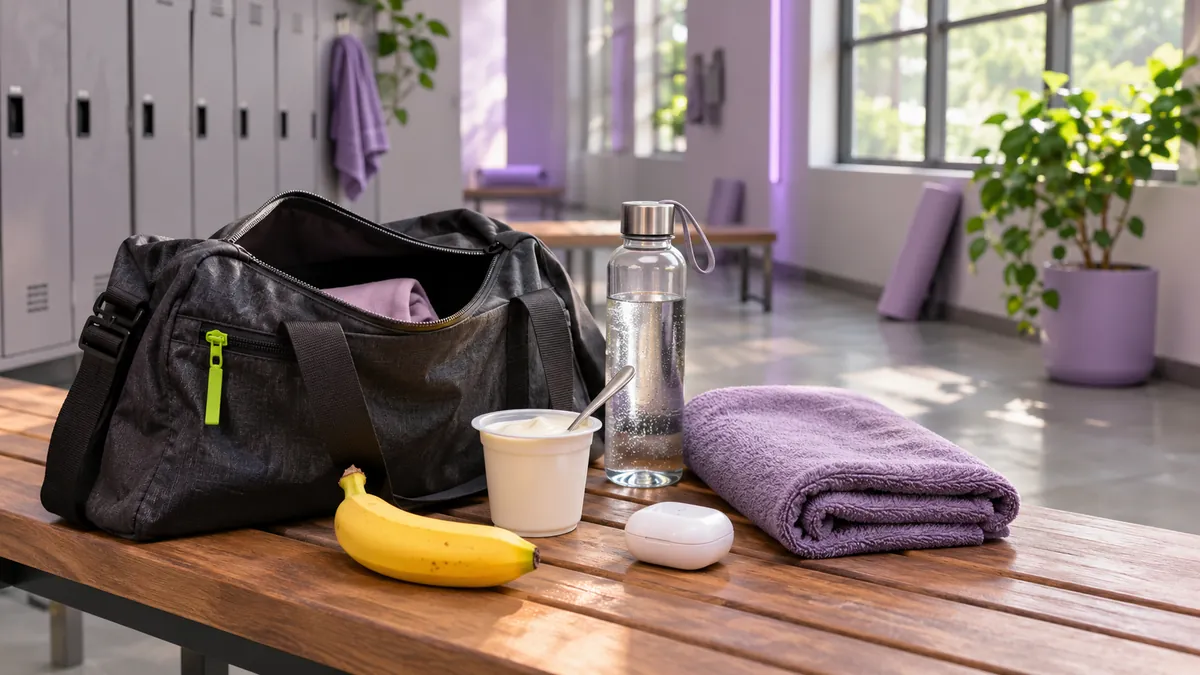
| Small snack (100–250 kcal) | 30–60 min | A banana, Greek yogurt, 2 dates, a rice cake with jam |
| Liquid only | 15–30 min | A glass of milk or soy milk, a sports drink for long sessions |
What should I eat after a workout?
Have a meal with about 0.25–0.4 g of protein per kg of bodyweight, which is 20–30 g for a 70 kg person, within a few hours of finishing. Add carbohydrate too, especially if you train again within 24 hours. Chicken and rice, eggs on toast, lentils with rice, or Greek yogurt with fruit all fit.
The protein triggers muscle repair and growth; the carbohydrate refills glycogen. Refilling fast only matters if your next hard session is soon, such as two training days in a row for an athlete. If you train once a day, your normal meals restock glycogen by the next session. Good protein sources include boiled eggs (13 g per 100 g), low-fat Greek yogurt (10 g), tofu and whey protein (a 30 g scoop gives about 22 g).
Is the 30-minute anabolic window real?
Not in the strict sense. A 2013 meta-analysis found that when total daily protein was taken into account, eating protein right around the workout made no meaningful difference to muscle growth. Muscles stay more sensitive to protein for many hours after training, so a meal within a few hours does the same job as a shake in the changing room.
The window matters a little more if you trained fasted, for example first thing in the morning, because you have gone many hours without protein. In that case, eat soon after. The bigger lesson is the one the ISSN repeats: hit your daily protein target, split into 3–4 meals of about 0.4 g/kg, and the minute-by-minute timing becomes a detail. The window is one of the claims we check in fitness and diet myths vs facts.
Should I work out on an empty stomach?
You can, if it feels fine. Short or easy sessions, such as a 30-minute jog or light lifting, work well fasted for most healthy adults. It does not burn more body fat over time: a controlled trial found the same fat loss with fasted and fed cardio when calories were matched. Long or intense sessions usually go better with food.
In that trial, young women did one hour of steady cardio three times a week on a reduced-calorie diet for four weeks; both groups lost similar weight and fat. Fat burned during the session is balanced by what you burn the rest of the day. If you feel dizzy, weak or sick training fasted, eat something small first. People with diabetes on medication should not train fasted without medical advice.
What are good pre- and post-workout meals?
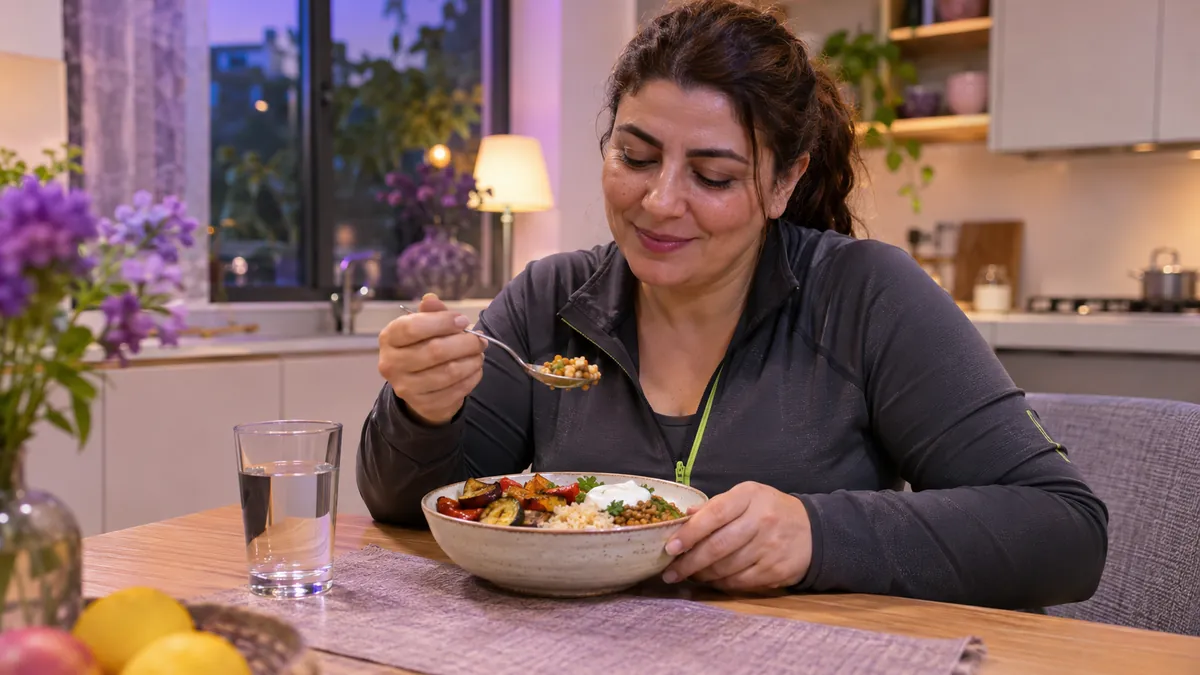
Pick a meal that fits your calorie budget and diet. Before training, lean on easy carbohydrate with a little protein; after training, lean on protein with carbohydrate. The 20 options below run from about 150 to 500 kcal and cover omnivore, vegetarian and vegan diets, with calories and protein worked out from our food database.
| When | Meal | Diet | Budget | kcal | Protein | Carbs |
|---|---|---|---|---|---|---|
| Before | 2 rice cakes + 2 tsp peanut butter | Vegan | ≈ 150 | 130 | 4 g | 17 g |
| Before | 1 banana + a small pot of Greek yogurt 118 g banana, 100 g Greek yogurt | Vegetarian | ≈ 150 | 170 | 12 g | 31 g |
| Before | 2 Medjool dates + a glass of soy milk | Vegan | ≈ 150 | 200 | 7 g | 39 g |
| Before | Porridge made with skim milk, with blueberries 200 g cooked oats | Vegetarian | ≈ 300 | 240 | 12 g | 41 g |
| Before | Porridge with a sliced banana 250 g cooked oats, 118 g banana | Vegan | ≈ 300 | 280 | 8 g | 57 g |
| Before | 2 boiled eggs on 2 slices of wholegrain toast 100 g boiled egg | Vegetarian | ≈ 300 | 300 | 18 g | 29 g |
| Before | Chickpea and salad wrap 150 g chickpeas | Vegan | ≈ 500 | 440 | 18 g | 72 g |
| Before | Toast, cottage cheese, banana and honey 200 g cottage cheese, 118 g banana | Vegetarian | ≈ 500 | 450 | 28 g | 73 g |
| Before | Rice with roasted chicken and vegetables 120 g chicken | Omnivore | ≈ 500 | 460 | 43 g | 56 g |
| Before | Pasta with a lentil tomato sauce 150 g lentils | Vegan | ≈ 500 | 490 | 25 g | 92 g |
| After | Greek yogurt with blueberries 170 g Greek yogurt | Vegetarian | ≈ 150 | 130 | 18 g | 13 g |
| After | A bowl of steamed edamame 100 g edamame | Vegan | ≈ 150 | 150 | 13 g | 11 g |
| After | Whey shake in water + an orange 30 g whey | Vegetarian | ≈ 150 | 160 | 24 g | 17 g |
| After | Cottage cheese with a banana 200 g cottage cheese, 118 g banana | Vegetarian | ≈ 300 | 270 | 22 g | 37 g |
| After | Tuna and potato salad 120 g tuna | Omnivore | ≈ 300 | 280 | 26 g | 40 g |
| After | 2 boiled eggs on 2 slices of wholegrain toast 100 g boiled egg | Vegetarian | ≈ 300 | 300 | 18 g | 29 g |
| After | Tempeh with brown rice 100 g tempeh, 100 g brown rice | Vegan | ≈ 300 | 300 | 23 g | 31 g |
| After | Lentils, rice and a side of Greek yogurt 200 g lentils, 100 g Greek yogurt | Vegetarian | ≈ 500 | 490 | 32 g | 86 g |
| After | Roasted chicken, rice and vegetables 150 g chicken | Omnivore | ≈ 500 | 510 | 52 g | 56 g |
| After | Tofu and edamame stir-fry with brown rice 200 g tofu, 200 g brown rice, 100 g edamame | Vegan | ≈ 500 | 520 | 34 g | 62 g |
The rice, lentil and tofu meals are easy to scale: add 100 g of cooked brown rice for about 110 kcal and 23 g of carbohydrate, or 100 g of cooked oats for about 70 kcal. If your goal is fat loss, choose the after-training meal from your normal day rather than adding an extra one; see macros made simple for how the meals add up.
Does it matter if I train in the morning, at lunch or in the evening?
Only for the logistics. Morning trainers can have a light snack or train fasted, then eat breakfast after. Lunchtime trainers can eat a mid-morning snack and have lunch after the session. Evening trainers should have a normal lunch, a snack about an hour before, and let dinner be the post-workout meal.
- Early morning (before breakfast). A banana, 2 dates or a glass of milk 15–30 minutes before is enough for most sessions. If you lift hard, have a protein-rich breakfast straight after.
- Lunchtime. Breakfast as normal, a yogurt or fruit mid-morning, train, then lunch. Pack lunch so you are not stuck with a vending machine.
- Evening. Your lunch is the main pre-workout meal; add a small carb snack 30–60 minutes before if lunch was more than 4 hours earlier. Dinner after training is a perfect post-workout meal.
Late-evening training does not stop fat loss, though a very large meal right before bed can disturb sleep for some people. For how sleep and training interact, see the complete workout guide.
How much water and caffeine should I have before training?
Drink about 5–7 ml of water per kg of bodyweight at least four hours before exercise, roughly 350–500 ml for a 70 kg adult, then sip during the session. Caffeine at 3–6 mg per kg about an hour before can improve performance, but many people do well at the low end, and lower doses still help.
- Water. The ACSM advises a further 3–5 ml/kg about two hours before if you are not passing urine or it is dark. In heat or long sessions, replace sweat losses and consider some salt.
- Caffeine dose. A cup of brewed coffee often has around 80–100 mg, but content varies widely. The European Food Safety Authority found single doses up to 200 mg, even within two hours of hard exercise, raise no safety concerns for healthy adults, with up to 400 mg a day in total.
- Who should skip it. Pregnant people (limit 200 mg a day), anyone with heart rhythm problems, anxiety or high blood pressure, teenagers, and anyone training late in the day who sleeps badly after caffeine.
The bottom line
Eat a normal meal with carbohydrate and 20–40 g of protein 1–3 hours before training, or a small carb snack 30–60 minutes before. After training, eat a protein-rich meal (about 0.25–0.4 g/kg) within a few hours. Total daily protein matters far more than the exact minute, and fasted training is fine for short sessions but does not burn more fat.
Frequently asked questions
Is it bad to work out on an empty stomach?
No, not for most healthy adults doing short or moderate sessions. Fasted training does not burn more fat over weeks than fed training when calories match. Eat first if you feel dizzy or weak, if the session is long or very hard, or if you have diabetes and take medication.
How long should I wait to work out after eating?
About 3–4 hours after a large meal, 1–3 hours after a normal meal, and 30–60 minutes after a small snack such as a banana or yogurt. Fatty and high-fibre foods take longest to settle.
Do I need a protein shake right after training?
No. A shake is convenient, but any protein-rich meal within a few hours works just as well. What matters most is your total daily protein, split across 3–4 meals of about 0.4 g per kg of bodyweight.
What should I eat before a morning workout?
Something small and quick to digest 15–30 minutes before: a banana, 2 dates, a glass of milk or soy milk, or a rice cake with jam. For short, easy sessions, training fasted is fine. Eat a protein-rich breakfast afterwards.
Is a banana a good pre-workout snack?
Yes. A medium banana has about 105 kcal and 27 g of carbohydrate, is easy to digest and travels well. Eat it 15–60 minutes before training. Pair it with yogurt or a glass of milk if you want some protein too.
What should I eat after a workout to lose weight?
Make your next normal meal your post-workout meal rather than adding an extra one: a palm-sized protein portion (about 20–30 g protein), vegetables and a modest portion of carbohydrate. That keeps your daily calories in check while still supporting recovery.
Can I eat dinner as my post-workout meal?
Yes. If you train in the late afternoon or evening, a dinner with protein, carbohydrate and vegetables within a few hours is an ideal post-workout meal. There is no need for a separate shake or snack.
Keep reading
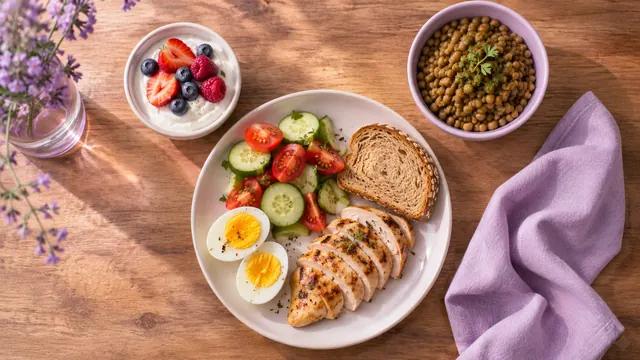 How much protein do I need?Grams per kg by goal, with a calculator
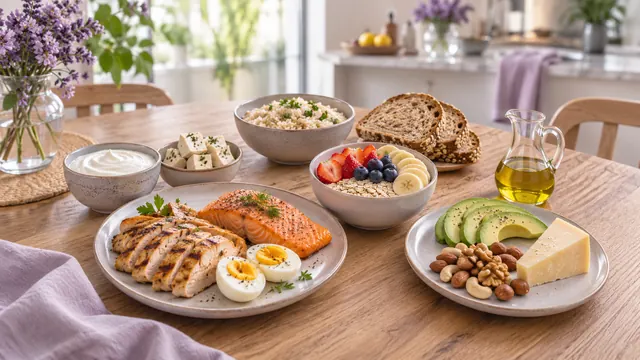 Macros made simpleSplit your calories into protein, carbs and fat
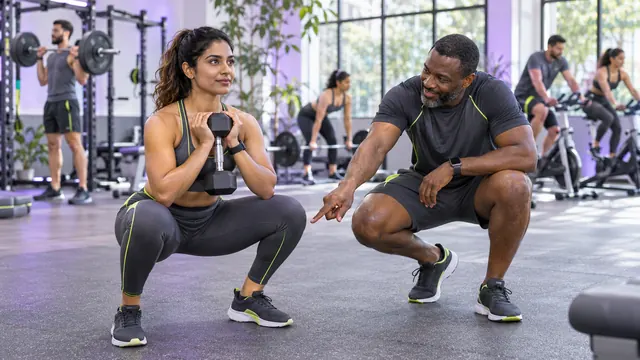 The complete workout guideSets, reps, rest and progress
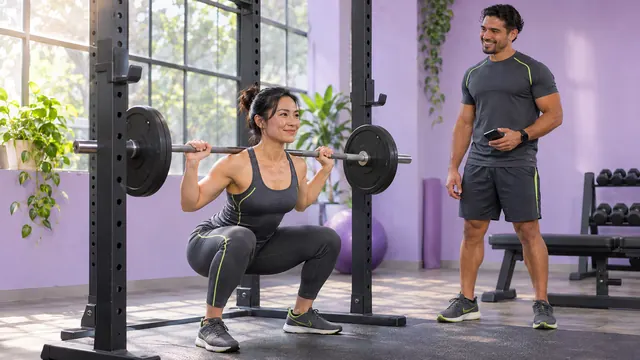 Fitness and diet myths vs facts20 claims checked against the research
Sources
- Kerksick CM, Arent S, Schoenfeld BJ et al. International Society of Sports Nutrition position stand: nutrient timing. Journal of the International Society of Sports Nutrition 2017;14:33. PubMed
- Schoenfeld BJ, Aragon AA, Krieger JW. The effect of protein timing on muscle strength and hypertrophy: a meta-analysis. Journal of the International Society of Sports Nutrition 2013;10:53. PubMed
- Schoenfeld BJ, Aragon AA, Wilborn CD et al. Body composition changes associated with fasted versus non-fasted aerobic exercise. Journal of the International Society of Sports Nutrition 2014;11:54. PubMed
- Guest NS, VanDusseldorp TA, Nelson MT et al. International Society of Sports Nutrition position stand: caffeine and exercise performance. Journal of the International Society of Sports Nutrition 2021;18:1. PubMed
- Schoenfeld BJ, Aragon AA. How much protein can the body use in a single meal for muscle-building? Implications for daily protein distribution. Journal of the International Society of Sports Nutrition 2018;15:10. PubMed
- American College of Sports Medicine; Sawka MN, Burke LM, Eichner ER et al. Exercise and fluid replacement. Medicine & Science in Sports & Exercise 2007;39(2):377–390. PubMed
- EFSA Panel on Dietetic Products, Nutrition and Allergies. Scientific opinion on the safety of caffeine. EFSA Journal 2015;13(5):4102. efsa.europa.eu
- U.S. Department of Agriculture, Agricultural Research Service. FoodData Central. fdc.nal.usda.gov
This article is general information for healthy adults, not medical advice. If you have a medical condition, are pregnant, or take medication, talk to a doctor or registered dietitian before changing your diet, sleep or training.